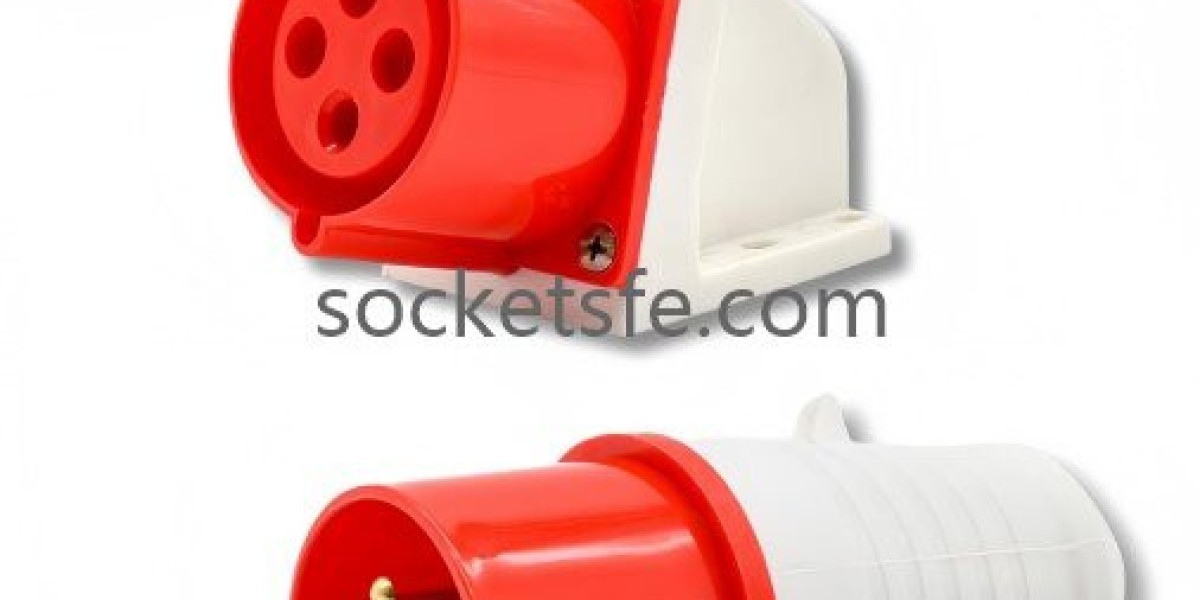

Industrial electrical equipment frequently operates in environments where moisture, dust, vibration, and repeated handling can affect connection performance. From manufacturing workshops to construction sites and outdoor machinery installations, electrical connectors must be selected according to the actual working conditions. A Waterproof Industrial Plug is designed to support electrical connections in environments where protection against water and dust is an important consideration. Its practical performance depends on housing materials, sealing construction, contact quality, and compatibility with the connected socket.
The housing is one of the most important elements of connector construction. Manufacturers commonly consider engineering plastics and other insulating materials for their mechanical strength, electrical insulation, and resistance to ordinary industrial wear. A properly designed enclosure protects internal conductive components while providing a convenient structure for handling and installation. Material selection should also account for temperature changes, exposure to sunlight, cleaning agents, and potential mechanical impact. These factors influence whether a connector is appropriate for indoor production areas, outdoor installations, or more demanding industrial environments.
Sealing technology contributes directly to environmental protection. Gaskets, fitted covers, cable-entry seals, and carefully designed mating surfaces help reduce the entry of moisture and dust. Different connector models provide different ingress protection levels, so buyers should verify the actual IP rating in the manufacturer's technical documentation. The protection level may also depend on whether the plug is connected to its matching socket or whether protective covers are properly secured. A waterproof designation should not automatically be interpreted as suitability for continuous underwater operation or high-pressure cleaning.
Internal contact components are equally important for dependable electrical connections. Copper and copper-alloy materials are commonly used because of their electrical conductivity and mechanical properties. Contact geometry determines how the plug engages with the socket, while suitable surface treatments can help manage oxidation and wear during repeated connection cycles. Insulating components maintain separation between conductive parts and support electrical safety. The contact arrangement, rated voltage, current capacity, and grounding configuration must all correspond to the intended electrical system.
Industrial applications create different requirements for connector design. In manufacturing facilities, plugs may connect machinery, portable tools, and auxiliary equipment. Construction environments may involve frequent equipment movement and exposure to changing weather. Agricultural facilities and outdoor maintenance areas can experience dust, rain, and regular cleaning. For these applications, buyers should evaluate the enclosure protection level alongside mechanical durability, cable retention, and the compatibility of the complete plug-and-socket assembly.
Cable installation also affects the overall connection system. The connector must accommodate the intended cable diameter and conductor arrangement, while its terminals should be suitable for the specified conductor type and size. Cable glands and strain-relief structures help reduce mechanical stress on the termination. During assembly, installers should follow terminal markings and manufacturer instructions to establish secure electrical connections. Proper grounding and circuit protection must be maintained according to the applicable electrical standards and installation requirements.
For distributors and equipment manufacturers, product consistency and clear technical documentation simplify procurement. Important information includes rated voltage, rated current, pole configuration, protection rating, cable compatibility, and matching socket models. Buyers should also consider the availability of different housing materials and connector configurations for projects with varying environmental requirements. Comparing these details helps prevent mismatched components and supports more efficient equipment integration.
When selecting a Waterproof Industrial Plug, it is important to consider the complete electrical connection rather than focusing only on the enclosure. Matching the plug with the correct socket, cable, electrical rating, and installation environment helps support reliable operation and appropriate protection. For industrial plugs, sockets, and related electrical connection products, visit https://www.socketsfe.com to explore available configurations for industrial applications.