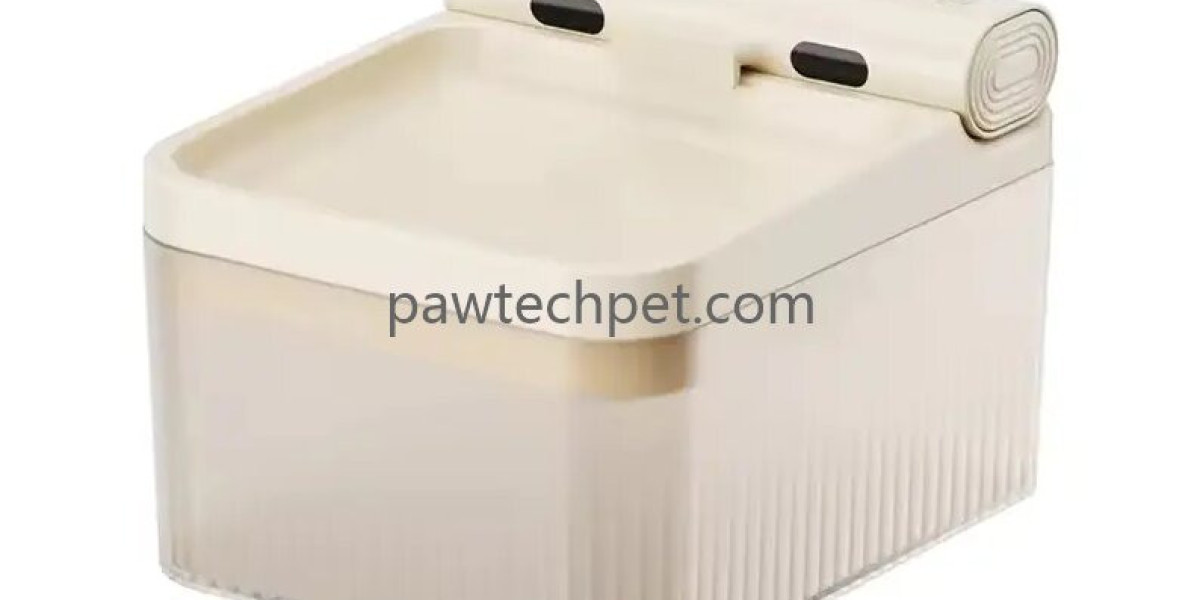

Providing convenient access to fresh drinking water is an essential part of responsible pet care, and product design can influence how easily owners maintain this daily routine. In modern households, an Intelligent Pet Water Dispenser offers a practical approach to organizing pet hydration through features such as water circulation, optional filtration, and automated operation. These products are developed for different household environments and animal sizes, giving owners additional choices when selecting equipment that matches their pets' drinking habits and daily needs.
Water circulation is one of the commonly considered functions in this product category. Instead of relying entirely on a stationary water bowl, some dispensers move water through a pump-driven system. Depending on the design, circulating water may create a gentle stream or flowing surface that attracts the attention of certain pets. However, individual preferences vary, and not every cat or dog will respond to moving water in the same way. Owners should observe their animals and ensure that a clean, accessible alternative is available when necessary.
Filtration is another important design consideration. Some products use replaceable filter components to help collect hair, dust, and other particles that may enter the water reservoir. Multi-stage configurations may combine different filter materials, depending on the product model. These components require regular inspection and replacement according to the manufacturer's instructions. A filtration system should not be considered a substitute for washing the reservoir and replacing the water frequently, because general cleanliness still depends on consistent maintenance.
Capacity affects how frequently the dispenser needs to be refilled. Smaller models may be appropriate for individual cats or compact living spaces, while larger units can be more convenient for multiple pets or animals with higher water consumption. Buyers should evaluate reservoir capacity alongside the physical dimensions of the equipment. A large tank may reduce refill frequency, but it should also be easy to remove, carry, and clean without spilling water.
Material selection has a direct influence on durability and maintenance. Common product designs may use plastic, stainless steel, or combinations of different materials. Each option has its own practical characteristics. Plastic housings can support lightweight construction and flexible shapes, while stainless steel drinking surfaces may be preferred by buyers seeking a different surface finish and cleaning experience. The material should be clearly identified in product specifications, and all water-contact components should be suitable for their intended use.
Pump performance is another factor worth evaluating. A dispenser should provide stable circulation appropriate to its reservoir design, while excessive noise may discourage some pets from approaching it. Pump accessibility is important because hair and mineral deposits can accumulate around internal components. A removable pump assembly and straightforward cleaning instructions can make routine maintenance easier. Owners should also inspect the power connection and follow the manufacturer's guidance when handling electrical components near water.
The physical design should accommodate the animal's size and natural drinking posture. A drinking surface that is too high, narrow, or difficult to access may not be suitable for every pet. Cats, small dogs, and larger breeds can have different requirements, so the product dimensions and water outlet arrangement should be reviewed before purchasing. Stable bases and suitable cable placement can also reduce the possibility of accidental movement during everyday use.
For households with several animals, placement deserves particular attention. The dispenser should be positioned in a quiet, accessible location away from litter areas and places where food debris is likely to collect. Some pets may prefer drinking separately from their feeding area, while others may be comfortable with a combined arrangement. Owners can observe drinking behavior and adjust the position when necessary. The equipment should remain accessible without blocking normal movement around the home.
Smart functions may provide additional convenience depending on the model. Certain products can incorporate water-level indicators, operating lights, sensor-based features, or connected controls. These options may help owners monitor equipment status, but their availability and operation differ across product ranges. Buyers should distinguish between essential functions and optional electronic features, especially when comparing products at different price levels.
For distributors and retailers, a well-organized product range should address differences in reservoir capacity, material, filtration configuration, power supply, and intended animal size. Clear descriptions help customers understand which model is appropriate for their household. Businesses sourcing products internationally should also review packaging requirements, electrical compatibility, replacement filter availability, and documentation before confirming an order. OEM and ODM cooperation may provide opportunities to adjust appearance, packaging, branding, or selected product configurations according to confirmed manufacturing capabilities.
Regular maintenance is necessary to keep drinking equipment in suitable condition. Owners should replace the water frequently, wash removable components, inspect the pump, and change filters according to the recommended schedule. Mineral buildup may require additional cleaning depending on local water conditions. Before cleaning electrical parts, users should follow the product instructions and disconnect the power supply when required. These simple routines help maintain a cleaner drinking environment and support consistent operation.
Selecting an Intelligent Pet Water Dispenser should involve more than comparing appearance or electronic functions. Reservoir size, water-contact materials, pump accessibility, filtration design, cleaning requirements, and compatibility with the animal all contribute to the overall user experience. Pet product retailers, wholesalers, and brand owners can explore related product categories and sourcing possibilities through PAWTECH at https://www.pawtechpet.com/product/pet-clothing/.