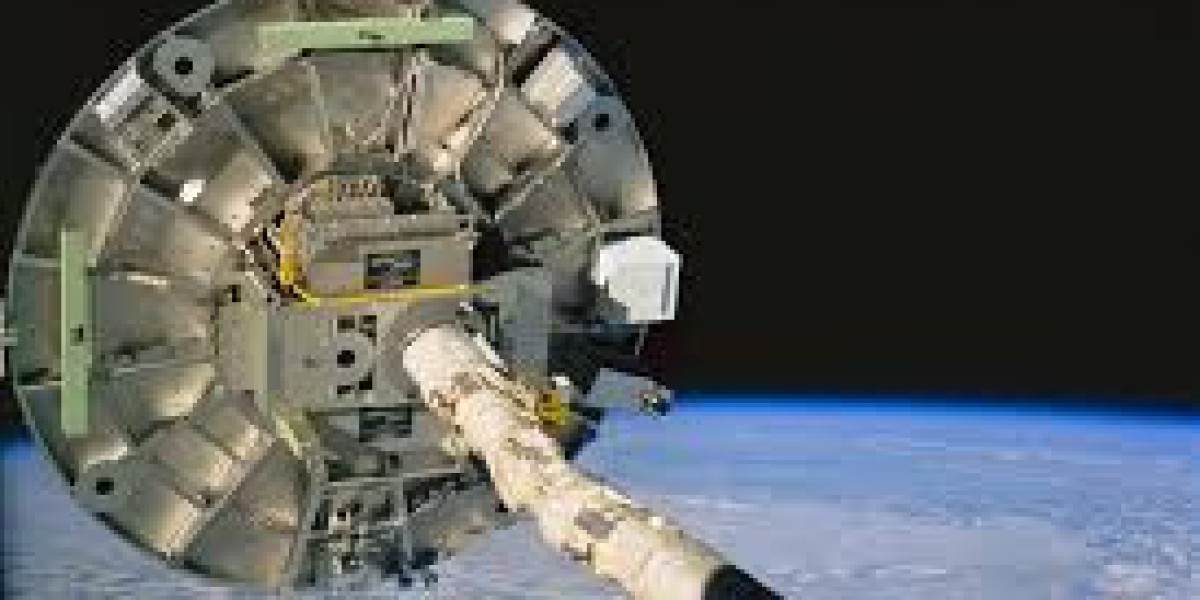

The cosmic frontier is no longer a vacuum of technological stagnation but a bustling arena for advanced silicon architectures. As we push further into the solar system, the demand for electronic components that can withstand the brutal environment of deep space has skyrocketed. These components, known as space-hardened semiconductors, must endure extreme thermal cycling and high-energy ionizing radiation that would instantly fry a standard consumer-grade chip. This shift toward more resilient hardware is a central theme in recent Space Semiconductor Market analysis, which highlights how the commercialization of low Earth orbit is forcing a rethink of traditional fabrication techniques. Engineers are now blending the reliability of military-grade hardening with the high-performance capabilities of modern AI processors. This fusion is essential for autonomous satellite operations, where real-time data processing reduces the need for constant ground-station communication, effectively making our orbital assets smarter and more independent than ever before.
Beyond the immediate technical hurdles, the integration of these semiconductors into the burgeoning "New Space" economy is creating a ripple effect across the global supply chain. Private aerospace firms are increasingly looking for modular, off-the-shelf radiation-tolerant solutions rather than bespoke, multimillion-dollar custom chips. This democratization of space hardware is allowing smaller nations and even research universities to launch sophisticated CubeSats and experimental payloads. However, the high cost of specialized materials like Gallium Nitride and Silicon Carbide remains a significant barrier to entry. To counter this, manufacturers are innovating in "Rad-Hard-By-Design" software techniques, which use logical redundancy to catch errors caused by cosmic rays. As we move toward permanent lunar bases and crewed Martian missions, the ability of these semiconductors to operate flawlessly for decades will be the literal lifeblood of human expansion into the stars, ensuring that navigation and life-support systems never skip a beat.
What is the difference between radiation-hardened and radiation-tolerant chips? Radiation-hardened chips are physically manufactured to resist damage from cosmic rays, while radiation-tolerant chips use clever circuit designs and software to handle errors when they occur.
Why are new materials like Gallium Nitride being used in space? These materials handle high voltages and extreme heat much better than traditional silicon, making them perfect for the power-hungry transmitters found on modern satellites.
➤➤➤Explore MRFR’s Related Ongoing Coverage In Semiconductor Industry:
Insurance Consulting Services Market
Integrated Marketing Services Market
Intellectual Property (Ip) Rights Protection Services Market
International Business Expansion Consulting Services Market
Inventory Management Consulting Services Market
Investment Fund Management Consulting Services Market
It Compliance And Auditing Services Market
It Infrastructure Optimization Services Market
It Support And Managed Services Market
Just In Time (Jit) Inventory Consulting Services Market