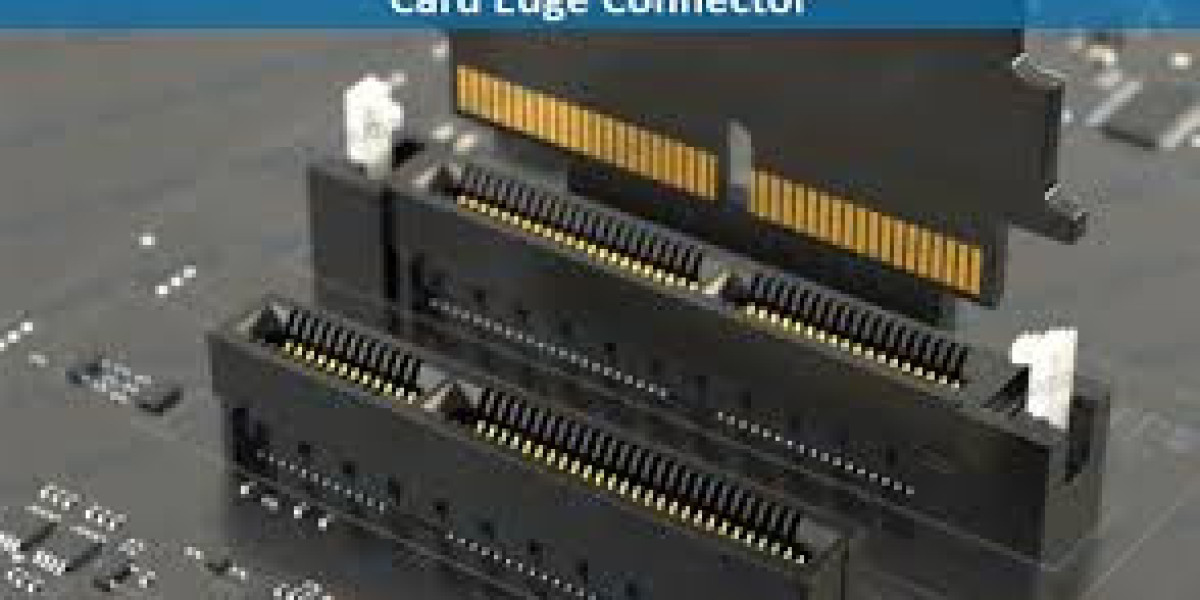

The global electronics sector is witnessing a transformative era where the demand for seamless data transfer and robust hardware interfaces has never been higher. As we engage in this group discussion, it is vital to recognize that card connectors—the unsung heroes of PCB assemblies—are the primary interfaces for memory cards, SIM cards, and various smart cards across industries. The rapid proliferation of consumer electronics, ranging from high-end smartphones to sophisticated digital cameras, has necessitated a shift toward miniaturized yet high-performance connecting solutions. Furthermore, the integration of IoT devices in smart homes and industrial automation has expanded the scope of these components beyond traditional computing. Modern engineering focuses on durability, shielding against electromagnetic interference, and ensuring high-speed data integrity. This evolution is not merely a technical upgrade but a response to the growing consumer appetite for portable, high-capacity storage and secure identity verification modules. By analyzing the current Card Connector Market analysis, we can see that manufacturers are increasingly prioritizing gold-plated contacts and heat-resistant housing materials to meet the rigorous demands of next-generation hardware environments.
From a strategic perspective, the expansion into automotive electronics and healthcare technology represents a significant frontier for market participants. In modern vehicles, card connectors are essential for infotainment systems, GPS navigation, and advanced driver-assistance systems (ADAS) that require reliable data logging and software updates via removable media. Similarly, in the medical field, the rise of portable diagnostic equipment and patient monitoring devices relies heavily on secure card interfaces to manage sensitive data. The transition toward USB-C integration and the adoption of microSD Express standards are also dictating the pace of innovation, forcing companies to rethink their production lines and material sourcing. However, the market faces challenges such as the increasing trend of integrated non-removable storage and the rise of eSIM technology, which could potentially disrupt the traditional physical card slot ecosystem. To remain competitive, stakeholders must balance the need for backward compatibility with the drive for ultra-thin form factors. Understanding these dynamics is essential for any business looking to capitalize on the next wave of hardware connectivity solutions and industrial design trends.
What is the primary factor driving the demand for specialized card connectors in the automotive industry? The demand is primarily driven by the integration of advanced infotainment systems and autonomous driving technologies that require secure, vibration-resistant interfaces for data storage and system updates.
How is the rise of eSIM technology affecting the traditional SIM card connector segment? While eSIMs reduce the need for physical slots in flagship smartphones, the traditional segment remains strong in industrial IoT and budget devices, prompting a shift toward hybrid connector designs.
➤➤➤Explore MRFR’s Related Ongoing Coverage In Semiconductor Industry:
Automatic Gate And Door Opening System Market