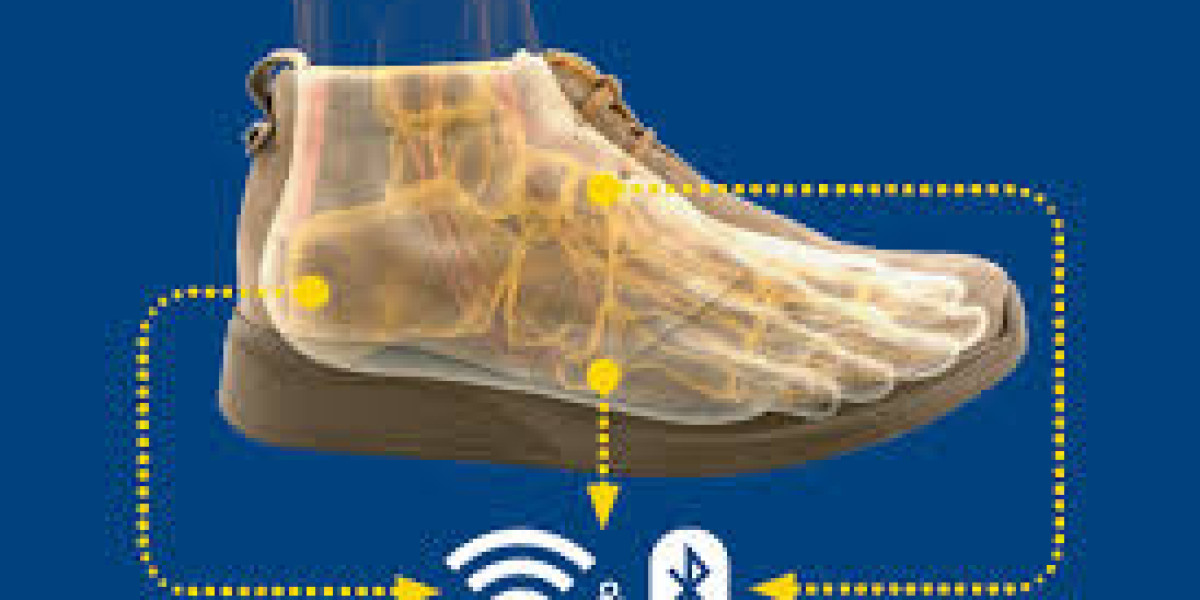

The global smart shoe market is currently experiencing a period of unprecedented transformation as wearable technology moves from the wrist to the feet. Traditionally, fitness tracking was limited to smartwatches or chest straps, but the integration of sophisticated sensors directly into footwear has unlocked a new dimension of data accuracy. These intelligent shoes are equipped with accelerometers, gyroscopes, and pressure sensors that provide real-time feedback on gait analysis, pronation, and striking force. For athletes and fitness enthusiasts, this means receiving personalized coaching that can prevent injuries and optimize running efficiency. The growing health consciousness among consumers, combined with the rise of the "quantified self" movement, has fueled a surge in demand for products that offer more than just basic step counting. As major footwear brands collaborate with tech giants, the boundary between fashion and functional technology continues to blur, making smart shoes a staple in the modern consumer’s wardrobe.
Furthermore, the expansion of the smart shoe market is being significantly bolstered by advancements in battery life and wireless connectivity. Early iterations of smart footwear were often hampered by the need for frequent charging and bulky hardware, but modern designs feature ultra-thin components and long-lasting power sources that do not compromise the shoe's aesthetic or comfort. Beyond the athletic sector, there is an increasing focus on the medical and elderly care sectors, where smart shoes are used to monitor the stability of patients and detect falls in real-time. This diversification of applications ensures that the industry is not reliant solely on the sports segment. As Internet of Things (IoT) infrastructure becomes more robust globally, these shoes are increasingly capable of syncing seamlessly with broader smart home and health ecosystems. This holistic approach to data integration is a primary driver behind the Smart Shoe Market analysis which suggests a highly optimistic trajectory for stakeholders and investors alike.
What are the primary benefits of using smart shoes over traditional fitness trackers? Smart shoes provide more accurate biomechanical data, such as foot strike patterns and balance distribution, which wrist-based trackers cannot measure effectively.
How long does the battery typically last in a smart shoe? Depending on the brand and usage of GPS or sensors, batteries can last anywhere from two weeks to several months, with some models using kinetic energy to self-charge.
➤➤➤Explore MRFR’s Related Ongoing Coverage In Semiconductor Industry:
Smart Connected Devices Market
Predictive Emission Monitoring System Market
Magnetoresistance Sensor Market