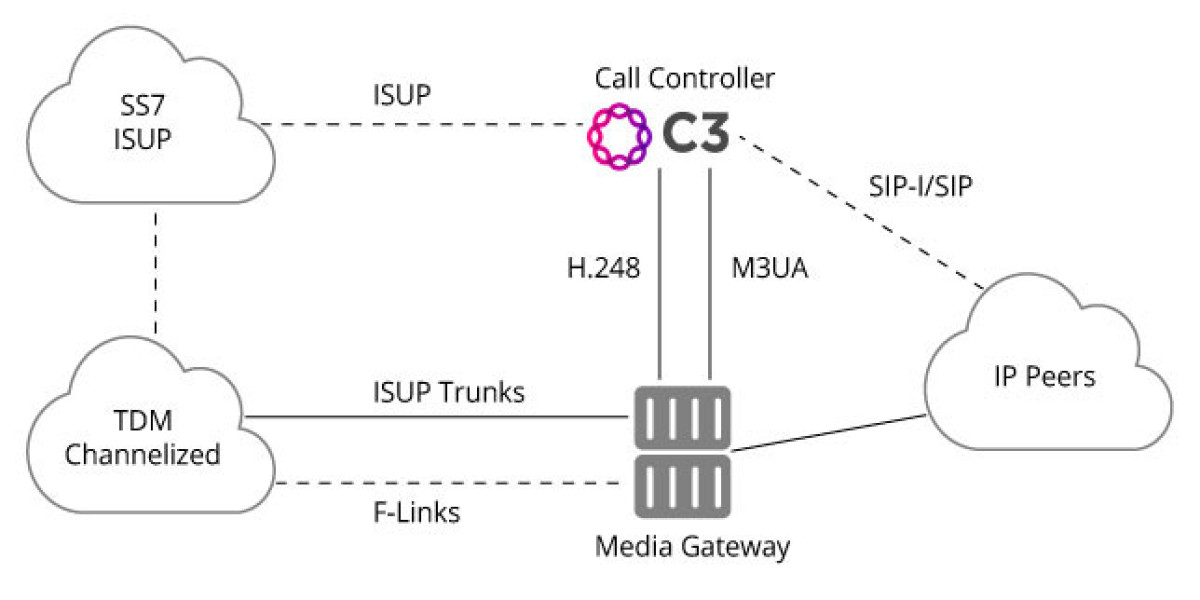

The modern corporate landscape is undergoing a radical shift in how communication is handled, leading to a significant surge in the adoption of sophisticated management systems. Within this framework, the call control market represents the backbone of enterprise connectivity, facilitating the seamless routing, termination, and management of voice and data sessions. As organizations transition from legacy hardware-based private branch exchanges to more agile, software-defined environments, the necessity for robust control mechanisms becomes paramount. This evolution is driven by the demand for unified communications that integrate voice, video, and messaging into a single interface. Decision-makers are increasingly focusing on how these systems can reduce operational overhead while enhancing the reliability of client interactions. The integration of session initiation protocols has allowed for greater flexibility, enabling businesses to scale their communication needs without the traditional constraints of physical wiring. Consequently, the industry is witnessing a shift toward hybrid models that combine the security of on-premises infrastructure with the versatility of cloud-based management tools.
As we look toward the future, the influence of artificial intelligence and machine learning on these systems cannot be overstated. Modern platforms are now capable of intelligent call routing based on real-time data, ensuring that inquiries are directed to the most appropriate personnel, thereby improving customer satisfaction scores. Furthermore, the rise of remote work has necessitated the deployment of secure, accessible control layers that function regardless of the user's geographic location. Companies are investing heavily in interoperability, ensuring that different hardware and software components can communicate without friction. This focus on seamless integration is fostering a competitive environment where service providers must constantly innovate to provide value-added features such as advanced analytics and automated compliance monitoring. The ongoing digital transformation across sectors like healthcare, finance, and retail continues to propel the Call Control Market analysis into a new era of technological sophistication and operational efficiency.
FAQs What is the primary function of call control in a business environment? It serves as the management layer that handles the setup, maintenance, and teardown of communication sessions, ensuring data is routed correctly. How does cloud integration benefit these systems? Cloud integration allows for remote accessibility, lower upfront hardware costs, and the ability to update software features instantly across the entire organization.