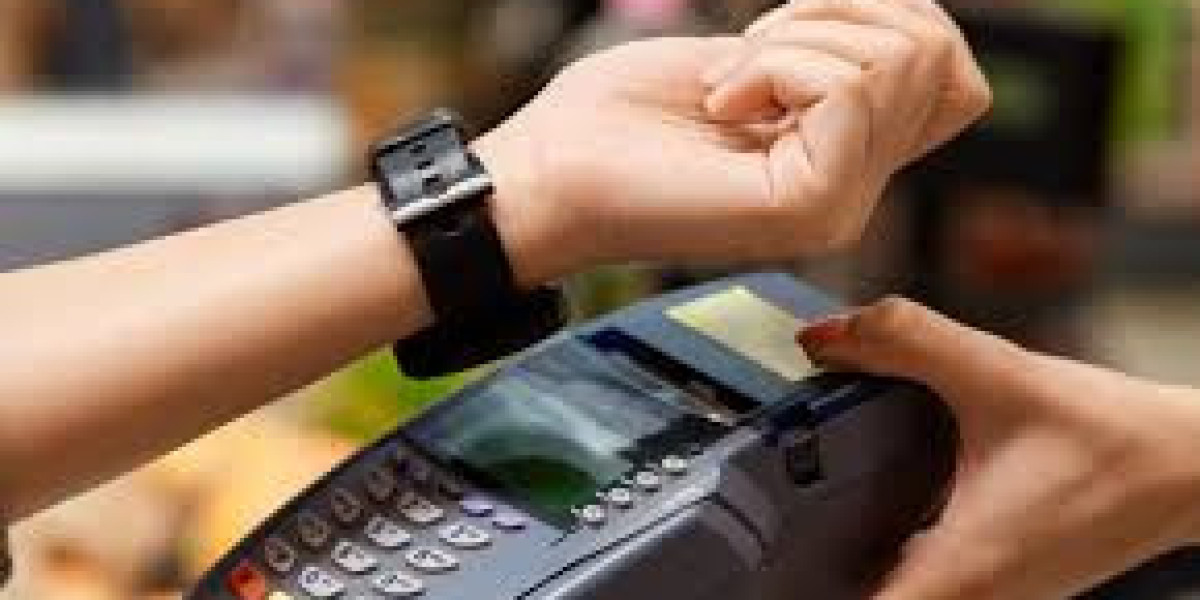

The global landscape of financial transactions is undergoing a seismic shift as consumers move away from physical wallets and plastic cards toward more integrated, hands-free solutions. The wearable payment device market is at the forefront of this revolution, driven by the rapid adoption of Near Field Communication (NFC) and Radio Frequency Identification (RFID) technologies. These devices, which include smartwatches, fitness trackers, payment-enabled jewelry, and even smart clothing, offer a level of convenience that traditional methods simply cannot match. As lifestyles become increasingly digitized and fast-paced, the demand for quick, secure, and seamless transaction methods has skyrocketed. This trend is particularly evident in urban environments where transit systems and retail hubs have fully embraced contactless infrastructure. Furthermore, the integration of biometric authentication within these wearables has significantly bolstered consumer confidence, addressing long-standing concerns regarding the security of mobile and wearable payments. This discussion aims to explore how these technological advancements are reshaping consumer behavior and what the future holds for the traditional banking sector in an era dominated by wearable tech.
Beyond the immediate convenience for the end-user, the proliferation of wearable payment devices is providing merchants and financial institutions with unprecedented levels of data and engagement opportunities. By leveraging Wearable Payment Device Market analysis, stakeholders can better understand the nuances of consumer spending habits and regional adoption rates. Retailers are increasingly utilizing the data generated by these devices to offer personalized promotions and loyalty rewards in real-time, creating a more interactive shopping experience. However, the market faces challenges, such as the need for universal standardization across different platforms and the high cost of advanced wearable hardware. Additionally, while security has improved, the risk of data breaches and unauthorized access remains a critical point of debate among cybersecurity experts. As we move forward, the collaboration between tech giants, traditional banks, and fintech startups will be crucial in overcoming these hurdles. The expansion of 5G connectivity is also expected to play a pivotal role, enabling faster transaction processing and supporting a more robust ecosystem for Internet of Things (IoT) enabled payments on a global scale.
What are the primary security features currently integrated into wearable payment devices? Most modern devices utilize tokenization, which replaces sensitive card data with a unique digital identifier, alongside biometric sensors like heart rate monitors or fingerprint scanners to ensure the user's identity.
How does the battery life of wearables impact their adoption for payment purposes? Battery longevity remains a concern; however, the development of passive NFC chips that do not require an active power source for transactions is helping to mitigate this issue for devices like rings or wristbands.