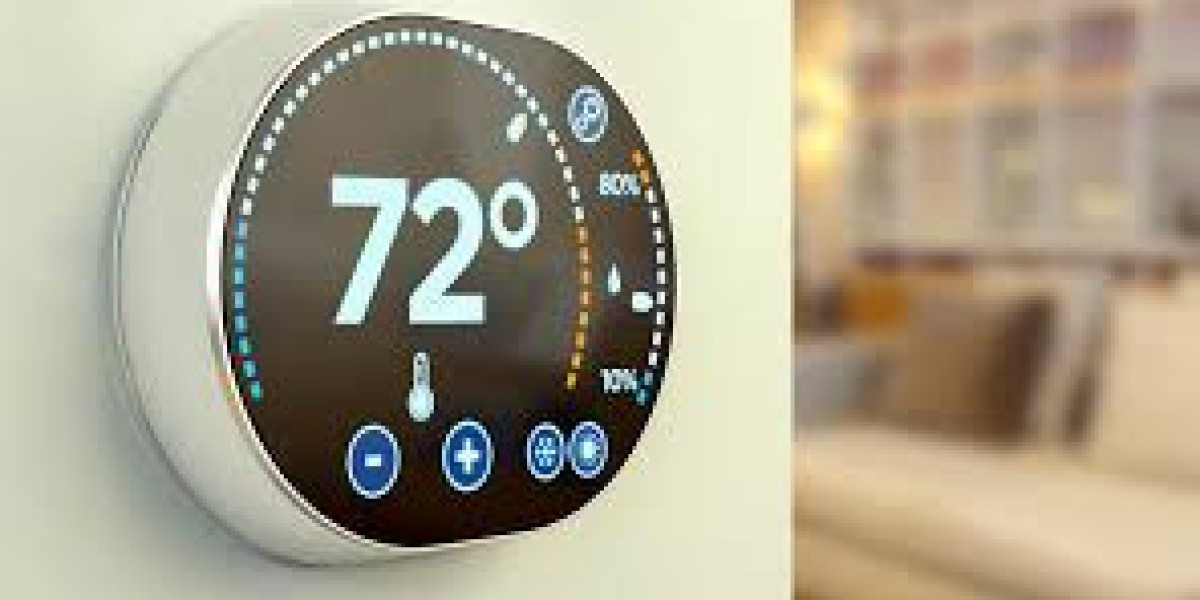

The landscape of modern living is being rapidly reshaped by the integration of intelligent climate control systems that offer unprecedented precision and convenience. As homeowners increasingly seek ways to minimize their carbon footprint while maximizing indoor comfort, the demand for sophisticated heating and cooling solutions has skyrocketed. This surge is driven by a combination of technological maturity, falling hardware costs, and a heightened awareness of environmental sustainability. Connectivity has become the backbone of the contemporary household, allowing users to manage their thermal environment through intuitive smartphone interfaces and voice-activated assistants. These systems do more than just follow a schedule; they utilize advanced algorithms to learn occupant behavior, adjusting temperatures dynamically based on presence or time of day. This shift toward autonomy is a primary driver behind the robust Smart Thermostat Market Analysis currently observed across the globe. By leveraging data-driven insights, these devices ensure that energy is never wasted on heating or cooling empty rooms, representing a significant leap forward from the static programmable models of the previous decade.
Beyond the immediate benefits of convenience and comfort, the economic implications of adopting smart climate technology are becoming impossible for consumers to ignore. Utility companies are increasingly partnering with technology providers to offer demand-response programs, which incentivize users to reduce energy consumption during peak periods. This synergy between the public utility sector and private technology firms is creating a fertile ground for innovation and rapid adoption. Furthermore, the integration of sensors that monitor humidity, air quality, and external weather patterns allows for a holistic approach to home wellness. As the infrastructure for smart cities continues to expand, these localized devices will play a crucial role in broader grid management and energy conservation strategies. The move toward a more sustainable future is heavily dependent on these granular improvements in efficiency. With the proliferation of high-speed internet and the Internet of Things, the ability to maintain a perfectly tempered home while drastically reducing monthly utility bills has moved from a luxury perk to a standard expectation for modern residential and commercial properties alike.
Is it difficult to install a smart thermostat in an older home? Most modern units are designed for easy DIY installation, though older homes may require a C-wire adapter or professional assistance if the existing wiring is outdated.
Can these devices work without a constant internet connection? While they will still function as basic thermostats without Wi-Fi, you will lose the ability to control them remotely or receive automatic software updates and energy reports.
➤➤➤Explore MRFR’s Related Ongoing Coverage In Healthcare Domain:
Road Assistance Insurance Market