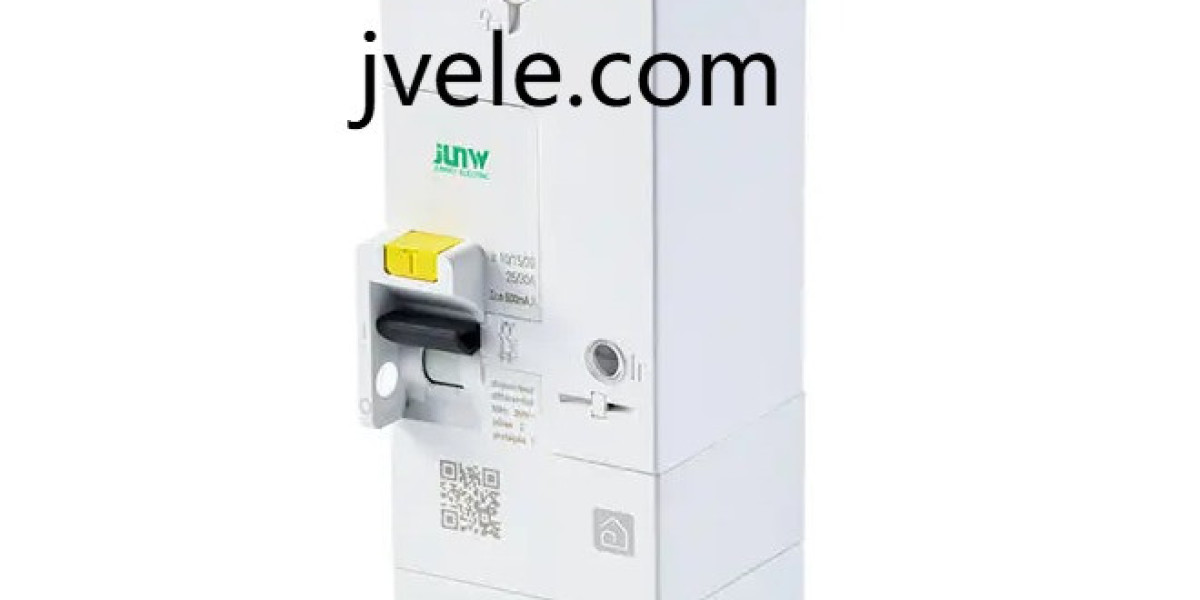

Electrical distribution equipment must operate as part of a coordinated network, where each component has a defined role in switching, protection, and system operation. When evaluating a Pole Circuit Breaker, engineers need to consider how its internal mechanism, insulating structure, mounting arrangement, and control functions fit the intended application. Material quality matters, but so do installation conditions, compatibility with neighboring devices, and the practical requirements of inspection and maintenance.
Material selection begins with the different tasks performed inside the breaker. Conductive components need to maintain dependable electrical contact, while insulating materials separate energized parts and support the intended electrical clearances. Mechanical elements must move as designed during switching, and the enclosure needs to protect internal components from environmental exposure. These materials must function together as a coordinated assembly rather than as independent parts.
The operating environment influences which construction details deserve particular attention. Equipment installed in outdoor distribution networks may encounter moisture, airborne contaminants, sunlight, and changing weather conditions. Corrosion, surface deterioration, or compromised seals can affect long-term serviceability. Buyers should examine the manufacturer's information about enclosure construction, insulation, environmental suitability, and maintenance requirements before deciding whether a product fits a specific installation.
Selection should also begin with a clear understanding of the electrical system. Engineers need to identify the network arrangement, the purpose of the protective device, the connected equipment, and the coordination requirements of the wider installation. The proposed breaker must be suitable for the electrical conditions and comply with relevant regulations and standards. Qualified professionals should confirm these details using product documentation and the requirements of the project.
The switching mechanism determines how the device changes between its conducting and open states. During normal operation, the contacts maintain the intended circuit connection. When a qualifying fault or abnormal condition is detected, the protective system initiates an opening operation designed to interrupt current according to the equipment's capabilities. The interaction between the operating mechanism, trip system, contacts, and control components influences how consistently the device performs its intended role.
Arc control is another important engineering consideration. When contacts separate while carrying current, an electrical arc may form between them. Internal arc-management and interruption structures are designed to address this event under the conditions for which the equipment is intended. Different designs may use different approaches to insulation and interruption. Buyers should therefore review documented operating capabilities and applicable test information rather than assuming that visually similar products offer equivalent performance.
Control functions can affect how a breaker integrates into modern distribution operations. Some installations rely mainly on local operation, while others connect switching equipment to remote monitoring or automation systems. Depending on the product design, auxiliary contacts, control circuits, position indicators, and communication interfaces may help exchange operating commands or status information. Establishing these needs early can make it easier to evaluate compatibility with the existing control infrastructure.
Installation planning involves more than mounting the device in its intended position. Engineers must consider supporting structures, electrical connections, grounding arrangements, conductor routing, access for installation, and coordination with nearby equipment. Connection terminals should be accessible for approved installation and inspection procedures, while the overall arrangement must allow appropriate working clearances. Electrical installation and commissioning should be performed by qualified personnel in accordance with applicable safety requirements.
Maintenance access is equally important throughout the equipment's service life. Technicians may need to inspect the enclosure, examine connections, review control wiring, or assess mechanical components under the manufacturer's recommended procedures. Clear product identification and logically arranged service points can make these activities more straightforward. A maintenance plan should also specify appropriate inspection practices and ensure that testing or servicing is conducted under approved electrical isolation procedures.
The user experience of electrical equipment is largely shaped by the people who install, operate, and maintain it. Clearly marked operating positions, understandable indicators, accessible control interfaces, and well-organized connections can help technicians identify equipment status and perform authorized tasks more efficiently. These features are particularly valuable in installations containing multiple protective devices, where consistent labeling and orderly component arrangement support easier identification.
Design and appearance contribute to practical equipment organization. An enclosure with a coherent layout can help protect internal components while keeping operating interfaces and connection points clearly arranged. Surface finishes, seals, mounting features, and entry points for conductors or control wiring should suit the intended environment. Although appearance does not establish electrical performance, thoughtful structural design can support easier inspection, consistent installation, and a more organized distribution assembly.
Compatibility with related equipment should remain part of the selection process. Circuit breakers may operate alongside protective relays, disconnectors, transformers, control units, and monitoring devices. Their functions need to be coordinated so that the complete installation responds appropriately to operating conditions. Reviewing interfaces and protection requirements as a system helps avoid treating each component as an isolated purchase.
Zhejiang Junwei Electric Co., Ltd. operates in the electrical equipment sector, where product construction, application requirements, and installation compatibility are important considerations. For buyers assessing circuit protection equipment, preparing information about the network arrangement, environmental conditions, control functions, maintenance approach, and relevant standards can support a more focused technical discussion with suppliers.
Engineers and purchasing teams can also review how the selected device will fit into commissioning procedures, inspection routines, and the wider distribution layout. This helps connect equipment selection with the practical work required throughout installation and operation. Further information about Zhejiang Junwei Electric Co., Ltd. and its electrical products is available at https://www.jvele.com/