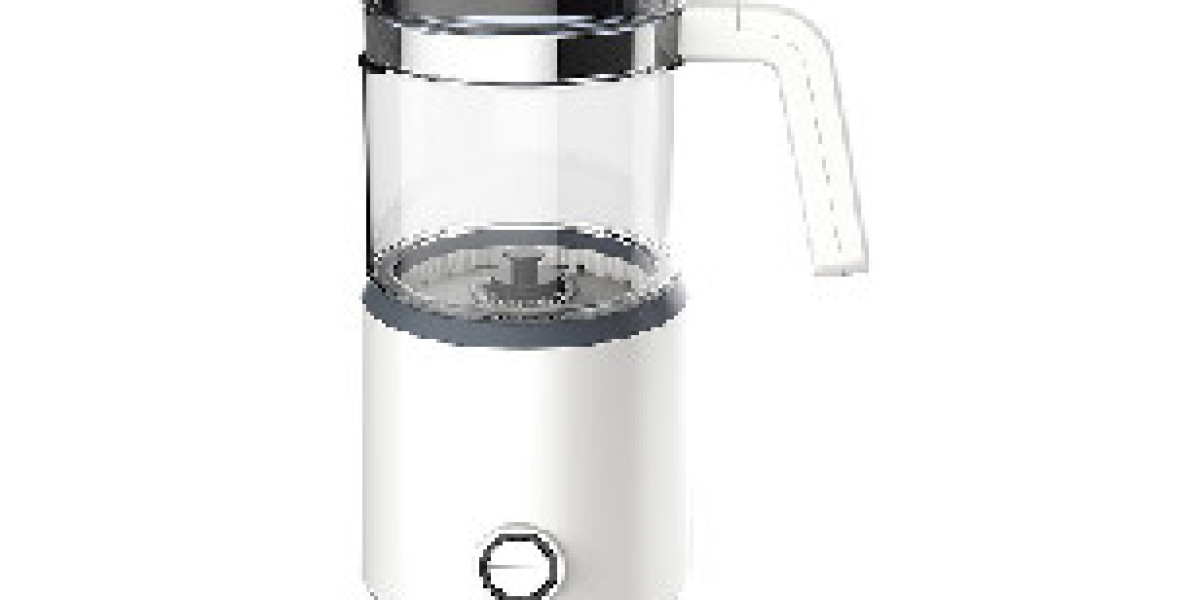

Outdoor activities increasingly involve more than simple food preparation. Camping, road trips, outdoor gatherings, and temporary living arrangements create demand for kitchen equipment that is easy to carry, operate, and maintain. As consumers look for practical ways to prepare drinks and meals away from traditional kitchens, manufacturers are paying greater attention to compact structures, functional versatility, and dependable performance. A Portable Kitchen Appliance for Outdoor Use needs to balance convenient operation with durability, allowing users to handle everyday food preparation in different environments.
Product design begins with understanding the conditions in which an appliance will be used. Outdoor environments may involve limited counter space, changing temperatures, transportation vibration, and restricted access to power outlets. These factors influence the selection of materials, structural components, and electrical systems. A compact appliance should be easy to pack without sacrificing the stability required during operation. Rounded edges, integrated handles, detachable accessories, and organized storage structures can also make transportation and daily use more convenient.
Material selection plays an important role in product reliability. Food-contact components should use materials suitable for their intended applications, while external housings need to provide adequate resistance to normal handling and transportation. Food-grade plastics, stainless steel, and carefully selected sealing materials are commonly considered in small appliance manufacturing. Each material serves a different purpose. Stainless steel can provide strength and corrosion resistance for blades or other functional parts, while engineered plastics can help reduce overall product weight and support flexible housing designs.
The internal structure also determines how effectively an appliance performs. Motors, transmission components, control systems, and power modules need to work together within a limited space. Manufacturers must consider heat management, vibration control, and component positioning when developing compact products. A well-organized internal layout can help improve assembly consistency and make maintenance more manageable. These engineering considerations are especially important for equipment expected to be transported frequently.
Power supply is another central design factor. Some outdoor appliances use rechargeable batteries, while others rely on standard electrical connections or compatible portable power sources. Battery-powered designs can offer greater flexibility in locations without convenient access to outlets. However, manufacturers must consider charging protection, electrical insulation, battery placement, and operating stability. Clear charging indicators and straightforward controls can also help users understand the appliance's operating status.
Functionality should match the intended application rather than adding unnecessary complexity. Depending on the product category, portable appliances may support blending, chopping, mixing, juicing, or other basic food preparation tasks. A practical design focuses on reliable core functions and convenient handling. Detachable containers, removable blades, simple control buttons, and accessible cleaning areas can improve the overall experience. When several accessories are included, their storage and installation should remain intuitive.
Safety considerations are equally important in outdoor product development. Appliances should be designed with stable operating structures, secure component connections, and appropriate electrical protection. For products containing rotating blades or moving parts, protective mechanisms can help reduce accidental contact during normal use. Sealing structures should be designed to limit liquid leakage into electrical areas. Manufacturers also need to evaluate how product components respond to repeated assembly, cleaning, and transportation.
Manufacturing quality depends on controlling each stage of production. Plastic molding, metal processing, electronic assembly, motor installation, and final product inspection all contribute to the finished appliance. Consistent component dimensions help ensure that housings and functional parts fit correctly. Assembly procedures should also reduce unnecessary stress on wires, connectors, and mechanical components. Inspection processes may include functional testing, charging checks, leakage evaluation where applicable, and appearance inspection.
For wholesale buyers and brand owners, customization is often an important part of sourcing. Product colors, logo placement, packaging, accessory combinations, and user instructions may be adjusted according to different market requirements. OEM and ODM cooperation can help businesses develop product lines that reflect their brand positioning while maintaining consistent manufacturing standards. Buyers should also evaluate communication efficiency, sample development, quality control procedures, and the supplier's ability to support repeat orders.
Cleaning and storage deserve attention because outdoor users may not have access to a fully equipped kitchen. Smooth surfaces, removable food-contact components, and accessible cleaning areas can simplify routine maintenance. Products should also be designed to store securely after use, particularly when accessories or detachable containers are included. Clear care instructions help users maintain the appliance and avoid inappropriate cleaning methods.
A well-developed Portable Kitchen Appliance for Outdoor Use brings together practical functionality, material engineering, compact construction, and user-oriented safety design. For businesses developing products for travel, camping, and outdoor lifestyles, selecting a manufacturer with coordinated design and production capabilities is an important step. Explore small kitchen appliance solutions and manufacturing cooperation through https://www.blmeas.com/product/.