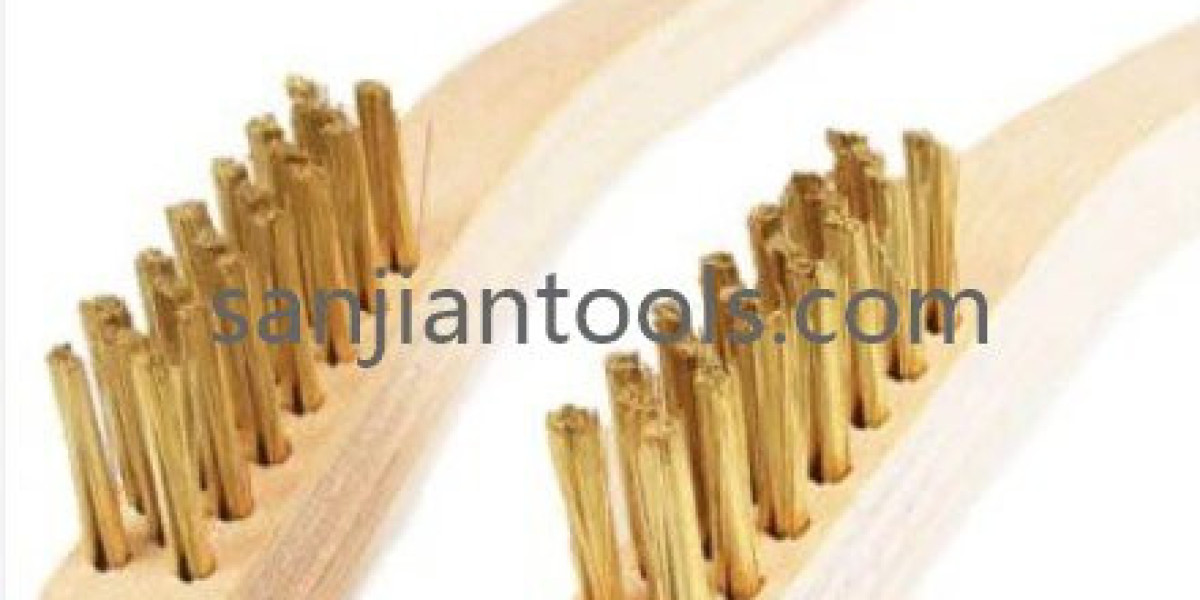

Metal components often require careful cleaning before assembly, repair, coating, or further processing. Oxidation, loose dirt, and surface residue can affect the appearance and condition of workpieces, making suitable brushing tools an important part of routine maintenance. For industrial buyers and hardware distributors, a Brass Wire Brush offers a practical solution for cleaning selected metal surfaces where controlled abrasion is preferred. Its effectiveness depends on wire material, bristle arrangement, brush shape, and the characteristics of the surface being treated.
Brass wire is valued for its relatively soft characteristics compared with many steel wire materials. It can be suitable for removing light contamination and loose deposits from compatible metal surfaces without the aggressive action associated with harder bristles. This makes brass brushes useful for selected maintenance tasks involving copper alloys, fittings, electrical components, and other parts requiring careful cleaning. However, material compatibility should always be considered because even relatively soft wire can affect delicate coatings or polished finishes.
Wire selection plays an important role in brush manufacturing. Diameter, length, flexibility, and density influence how the bristles contact a workpiece. Fine wires can reach narrow spaces and detailed areas, while a denser arrangement may provide more consistent contact across accessible surfaces. Manufacturers need to balance these characteristics according to the intended application. Consistent wire quality also helps maintain predictable brushing behavior and reduces unwanted variation between finished products.
Brush-head design determines how conveniently users can reach different areas. Compact hand brushes can be useful for localized cleaning, while longer or wider designs may cover more accessible surfaces. Narrow profiles can help users work around joints, edges, and small components. The arrangement of the wire bundles should remain consistent so that the brush provides balanced contact during normal use. A well-assembled brush head also helps prevent premature loosening of the bristles.
Handle construction contributes to comfort and control. Plastic handles are lightweight and can be produced in different shapes and colors, making them suitable for a variety of retail and industrial product lines. Wooden handles offer an alternative grip for buyers who prefer traditional brush designs. Handle length, surface texture, and connection strength all influence usability. A secure connection between the handle and brush head is particularly important when users apply repeated pressure during cleaning.
Manufacturing quality depends on several connected processes, including wire cutting, bristle arrangement, fastening, handle production, and final assembly. Uneven wire distribution may create inconsistent surface contact, while weak fastening can cause bristles to loosen during use. Quality inspections can examine the appearance of the brush head, bristle retention, handle stability, and conformity with agreed product specifications. For wholesale orders, consistent production procedures help buyers maintain product quality across different shipments.
Brass brushes are used in various maintenance environments. Workshops may use them to clean selected metal fittings and components, while repair technicians may need them for detailed work on compatible parts. They can also be considered for cleaning applications where a steel brush could be unnecessarily aggressive. Users should evaluate the substrate, contamination, and required surface condition before selecting a brush. Testing on a less visible area is advisable when working with unfamiliar materials or sensitive finishes.
For distributors and importers, product variety and clear identification can simplify purchasing decisions. Buyers may require different brush shapes, handle materials, wire configurations, and packaging styles to serve different customer groups. Retail-ready packaging can support hardware store sales, while bulk packaging may be more suitable for industrial supply businesses. OEM arrangements can also include customized colors, branding, labels, and packaging designs, depending on manufacturing capabilities.
Proper handling and storage help maintain brush condition. Users should inspect the wire section and handle before use, wear suitable eye protection, and avoid excessive pressure. Loose or damaged bristles may create safety concerns and should be addressed before continued operation. After cleaning, removing accumulated debris and storing the brush in an appropriate dry location can help preserve its usability.
When selecting a Brass Wire Brush, buyers should consider wire characteristics, brush construction, handle comfort, and compatibility with the intended workpiece. These factors help determine whether a product is suitable for routine maintenance or more specialized cleaning tasks. Businesses seeking additional brush products and hand tools can explore the available range at https://www.sanjiantools.com/product to support wholesale sourcing and product development.