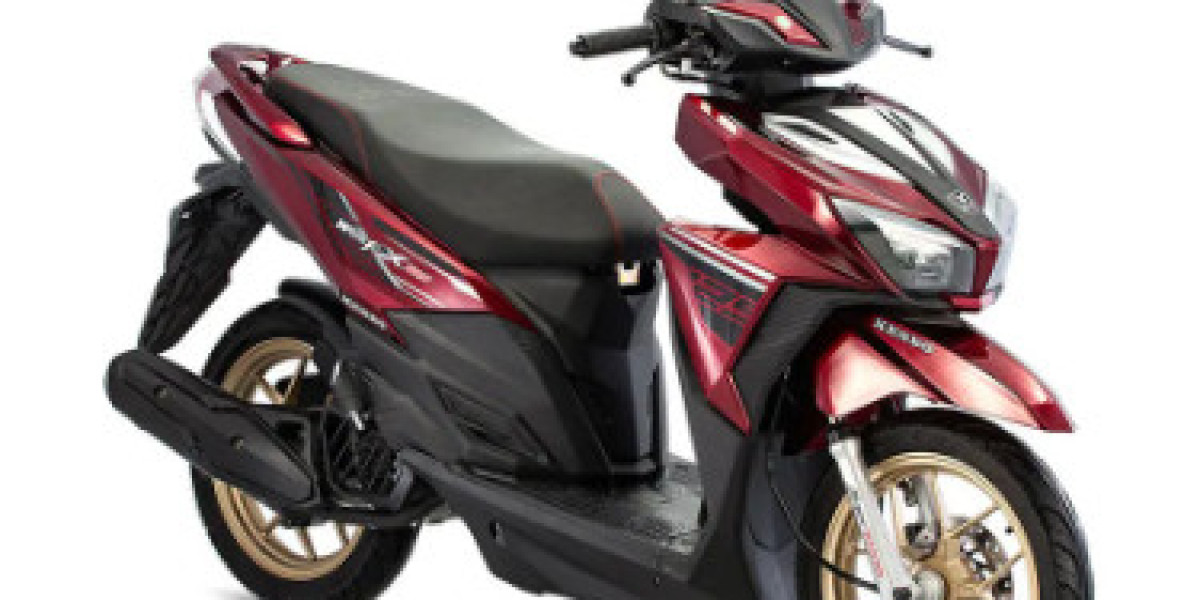

The quality of a scooter depends on the combined performance of its design, components, manufacturing processes, and inspection procedures. As demand for practical two-wheel transportation continues across different markets, distributors and importers need suppliers capable of providing consistent products and dependable production support. Choosing the right Scooter Manufacturer therefore involves evaluating more than the available models. Buyers should understand how a factory manages product development, assembly, quality control, customization, and after-sales coordination.
Product development is the starting point of the manufacturing process. A factory needs to understand the intended market, customer preferences, and practical requirements of each vehicle category. Urban commuters may prioritize convenient handling, comfortable seating, and economical operation, while other customer groups may focus on styling, carrying capacity, or different engine configurations. These expectations influence the selection of vehicle structures, powertrains, body designs, and functional components.
Engineering coordination is essential because a scooter contains multiple systems that must work together. The engine, transmission, electrical equipment, suspension, braking system, and frame all contribute to overall operation. If one component is poorly matched to the rest of the vehicle, it may affect performance, comfort, or serviceability. Manufacturers need to consider the complete vehicle during development rather than treating individual components as unrelated parts.
Component sourcing is another important aspect of factory management. The quality and consistency of purchased components can influence the reliability of finished vehicles. Manufacturers should establish clear requirements for incoming materials and parts, including appearance, compatibility, and functional condition. Supplier evaluation and incoming inspections help identify potential problems before components enter the assembly process.
The production line transforms individual components into complete vehicles. Assembly operations require suitable equipment, organized workflows, and trained personnel. Frame preparation, engine installation, electrical connections, body fitting, and final adjustments must be performed according to established procedures. Consistent assembly practices help reduce avoidable variations between vehicles and support more predictable production outcomes.
A dependable Scooter Manufacturer should also maintain inspection procedures throughout production. Quality checks may take place when materials arrive, during component assembly, and after the vehicle is completed. Inspectors may review fastening, electrical functions, braking operation, lighting, controls, and general appearance. Functional testing helps identify issues that may not be visible during a simple visual inspection. Documented procedures make it easier to trace problems and improve production practices.
Product safety and regulatory compliance are particularly important for export-oriented businesses. Requirements may differ according to destination country, vehicle category, and specific configuration. Buyers should confirm the applicable standards before placing an order and request relevant documentation for the selected model. Manufacturers should communicate clearly about which certifications or compliance documents are available rather than making broad claims that may not apply to every configuration.
Customization is often part of the cooperation between factories and overseas distributors. Depending on production capabilities, buyers may request different colors, graphic designs, branding elements, accessories, or selected component options. Customization should be planned before mass production so that the factory can assess material availability, compatibility, and production scheduling. Clear approval of samples and specifications can help both parties maintain consistency across an order.
Production planning and delivery coordination also influence the purchasing experience. Importers need accurate information about order requirements, production progress, packaging, and shipping preparation. A factory with organized communication procedures can help buyers understand the status of their orders and prepare for receiving products. Packaging should be appropriate for the vehicle structure and the transportation method to reduce the risk of damage during handling and shipment.
After-sales support should be considered before a supplier relationship begins. Distributors may need maintenance guidance, replacement components, warranty clarification, and assistance when customers report product issues. A practical spare-parts arrangement can help local service providers maintain vehicles more efficiently. Buyers should discuss these matters in advance instead of treating them as issues to resolve only after delivery.
When assessing a factory, buyers should also consider its ability to maintain cooperation over multiple orders. Stable communication, transparent product information, consistent inspection procedures, and realistic production commitments are important indicators of a workable business relationship. Visiting the production facility or arranging an independent inspection may provide additional information when order size and purchasing conditions justify these steps.
Selecting a Scooter Manufacturer is ultimately a decision about long-term supply capability, not simply the purchase of individual vehicles. Distributors should evaluate engineering coordination, component management, assembly quality, compliance documentation, and service support together. A clear understanding of these factors helps businesses select products that match their market requirements and establish more dependable cooperation. To explore scooter models and manufacturing options, visit https://www.zw-motor.com/product/scooter-motorcycle/.