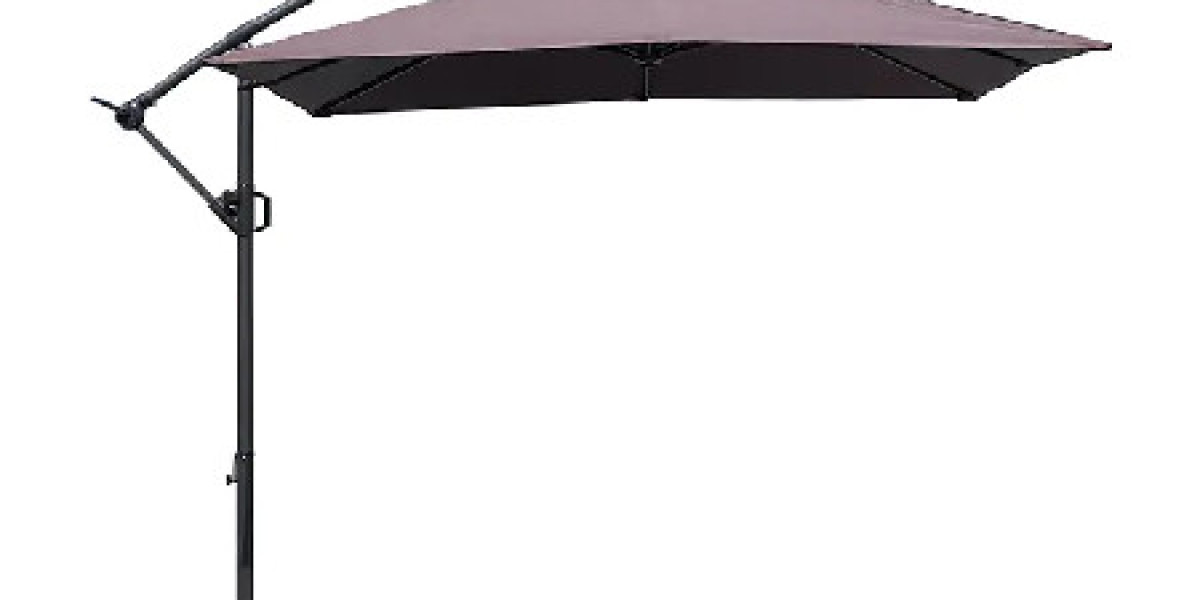

A comfortable outdoor area depends on more than furniture and landscape design. Shade is also essential for making gardens, patios, terraces, and poolside spaces more practical throughout the day. An Outdoor Parasol Umbrella provides a flexible way to create a shaded seating area without requiring a permanent roof or fixed shelter. Its canopy and supporting frame can be integrated into different outdoor layouts, making it suitable for private homes, hotels, restaurants, resorts, and other leisure environments.
One of the main advantages of a parasol is its adaptability. It can be positioned above a garden table, beside a swimming pool, or within an outdoor dining area according to the available space. Compared with permanent structures, an umbrella can generally be opened, closed, and repositioned when necessary. This flexibility is useful for outdoor environments where furniture arrangements or shade requirements may change throughout the day.
Canopy shape and size influence how a parasol fits into its surroundings. Round canopies are frequently used in garden and patio settings, while square or rectangular designs may work well with dining tables and seating arrangements. The appropriate size depends on the area that needs shade and the amount of space available around the umbrella. Buyers should consider not only the covered furniture but also access routes and nearby installations to avoid obstructing movement.
Fabric selection plays an important role in the canopy's appearance and practical performance. Outdoor umbrella fabrics need to accommodate regular exposure to sunlight and environmental conditions. Polyester is a common choice because it is lightweight, available in a wide range of colors, and suitable for many everyday applications. Other fabric options can be considered according to project requirements, preferred texture, and maintenance expectations. The color and finish should also complement the surrounding furniture, flooring, and architectural style.
The frame supports the canopy and helps maintain its shape during use. Aluminum is often selected for umbrella frames because of its relatively low weight and corrosion resistance. Steel may also be used in designs where a different structural approach is preferred. The quality of the frame depends on more than the main material. Joints, ribs, connecting parts, surface treatments, and assembly methods all influence the complete structure. Consistent manufacturing and careful inspection help maintain product quality across different units.
Opening mechanisms affect how conveniently an umbrella can be operated. Some parasols use a manual lifting system, while others incorporate a crank mechanism to make opening and closing easier. Depending on the design, additional functions such as canopy tilting or rotation may help users adjust the shaded area as sunlight changes. These features can be particularly useful in outdoor dining spaces and hospitality environments where seating arrangements are used throughout the day.
The base is another important component of the complete umbrella system. It provides support and helps keep the product properly positioned during use. Different base designs may be compatible with different umbrella structures, so buyers should confirm the recommended configuration before purchasing. The installation surface and surrounding environment should also be considered. A suitable base and correct setup are important for stable operation, but users must still close and secure the umbrella when weather conditions make continued use unsuitable.
Appearance is often a deciding factor in residential and commercial projects. A parasol can become a visible part of the outdoor environment, so its canopy color, frame finish, and overall shape should coordinate with the surrounding design. Neutral shades can create a clean and understated appearance, while brighter colors may help establish a distinctive atmosphere. Restaurants, resorts, and hotels may also consider customized colors or printed branding to maintain a consistent visual identity across their outdoor facilities.
Regular care helps extend the useful life of an umbrella. Canopies should be cleaned according to the fabric manufacturer's recommendations, with attention to dust, leaves, and other accumulated debris. Allowing wet fabric to dry before storage can help prevent moisture-related issues. Users should also inspect frame connections and moving parts periodically to identify signs of wear. Closing the canopy when it is not needed can reduce exposure to changing weather conditions and help preserve its appearance.
For importers, wholesalers, distributors, and hospitality purchasing teams, choosing a supplier involves evaluating more than individual product designs. Manufacturing experience, material options, customization services, quality control, and packaging arrangements can all influence the purchasing decision. Suppliers with a diverse outdoor umbrella range may provide more flexibility for projects involving gardens, patios, restaurants, and resort facilities.
An Outdoor Parasol Umbrella can provide practical shade while complementing the appearance of residential and commercial outdoor spaces. By evaluating canopy coverage, fabric selection, frame construction, operating mechanisms, and base compatibility, buyers can identify a design that suits their intended application. Linhai Hongtai Leisure Products Co., Ltd. specializes in outdoor umbrellas and related leisure products, offering different styles for various market requirements. More product information is available at https://www.parasol-ht.com/