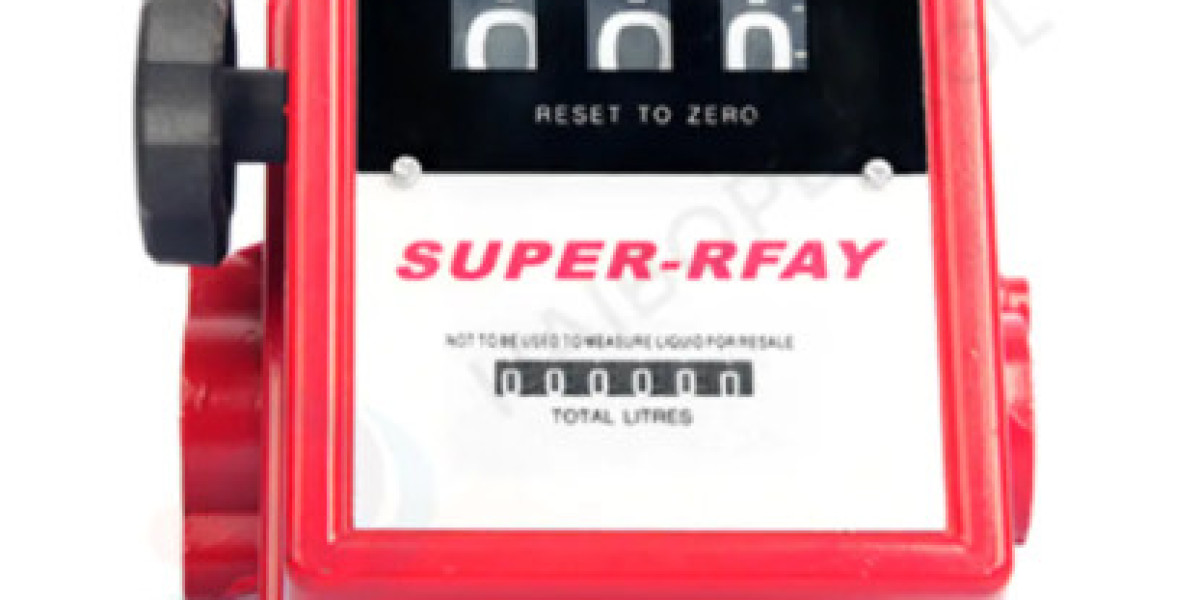

Refueling operations connect petroleum storage, transportation, and end-use facilities through a series of coordinated processes. Equipment used in these environments must support controlled transfer, secure connections, and practical maintenance under varying working conditions. Oil & Gas Refueling Equipment is therefore an important part of petroleum infrastructure, where component compatibility and manufacturing quality influence operational reliability. Selecting suitable products requires attention to both the immediate application and the wider system in which they will be installed.
The working environment is one of the first factors buyers should assess. Equipment installed at a fixed facility may operate under relatively stable conditions, while transport-related applications can involve vibration, movement, weather exposure, and frequent connection changes. These differences influence material selection, structural design, sealing arrangements, and installation requirements. Buyers should identify the petroleum products being handled and understand the expected operating conditions before comparing available equipment.
Material compatibility is particularly important because different fluids and environmental conditions can affect component performance. Metal parts may require suitable corrosion resistance, while rubber and polymer elements must be appropriate for repeated contact with the products they handle. Temperature fluctuations and exposure to moisture or contaminants can also influence material condition. Manufacturers should consider these factors during product development rather than relying on general-purpose material choices for every application.
Manufacturing quality determines whether components can be assembled and used consistently. Refueling systems may contain mechanical connections, control elements, flexible sections, and sealing components that need to function together. Variations in machining accuracy, surface finishing, or assembly can affect installation and create maintenance challenges. A structured production process should include material checks, dimensional inspection, assembly verification, and final quality assessment. Consistent production helps buyers maintain compatibility when sourcing components for multiple facilities or future replacements.
System integration should also be considered before installation. Available space, connection orientation, equipment positioning, and access for inspection can influence the final arrangement. If components are selected without considering existing infrastructure, modifications may be required during installation. Buyers should provide suppliers with relevant drawings and connection information so that product suitability can be evaluated more accurately. This is particularly useful when upgrading an existing facility rather than building a completely new system.
Safety depends on the combined performance of equipment, installation practices, and personnel procedures. Secure connections and suitable sealing materials help reduce leakage risks, while appropriate control components support orderly transfer operations. Facilities should establish clear procedures for starting, stopping, isolating, and inspecting equipment. Employees also need to understand the correct handling practices and recognize signs of abnormal operation. Regular training and documented inspections remain important even when equipment is designed for demanding industrial use.
Maintenance planning can help prevent avoidable interruptions. Components used frequently may experience gradual wear, and outdoor installations may be affected by sunlight, rain, dust, and changing temperatures. Inspection schedules should reflect the actual working environment and equipment usage. Maintenance personnel should monitor connection condition, sealing integrity, corrosion, visible damage, and changes in operating behavior. Keeping inspection records makes it easier to identify recurring issues and plan appropriate servicing.
When sourcing Oil & Gas Refueling Equipment, procurement teams should evaluate more than product appearance and initial cost. Manufacturing capabilities, material control, quality procedures, technical communication, and replacement-part availability are all relevant considerations. A supplier should be able to explain product construction and provide information that helps buyers assess compatibility. Clear communication about the intended application can also reduce the risk of selecting components that do not meet installation or operating requirements.
A dependable refueling system begins with suitable equipment and a realistic understanding of operating conditions. By reviewing material compatibility, manufacturing consistency, installation requirements, safety procedures, and maintenance needs, businesses can make more effective procurement decisions. Companies sourcing petroleum-related transport and transfer components can visit HAIBO at https://www.petrol-equipment.com/product/petrol-chemical-tank-truck-parts/ to review product options for different project requirements.