
Flexible textile materials are widely used in garment manufacturing, sportswear, underwear, medical products, and various industrial applications. As production requirements become more diversified, manufacturers need reliable machinery to handle different widths, thicknesses, and elastic properties. In this environment, elastic cutting plays an important role in maintaining consistent material dimensions and supporting an organized production process. Selecting suitable equipment can help factories improve processing efficiency while keeping the quality of finished components stable.
Elastic materials have different physical characteristics from ordinary woven fabrics. They can stretch, contract, and change shape when tension is applied, which makes accurate cutting more challenging. If the material is pulled unevenly during processing, the final pieces may become shorter or longer than expected after tension is released. This can create difficulties during sewing, assembly, and subsequent garment production. A suitable cutting machine should therefore provide stable material feeding, controlled positioning, and a cutting mechanism that matches the characteristics of the material being processed.
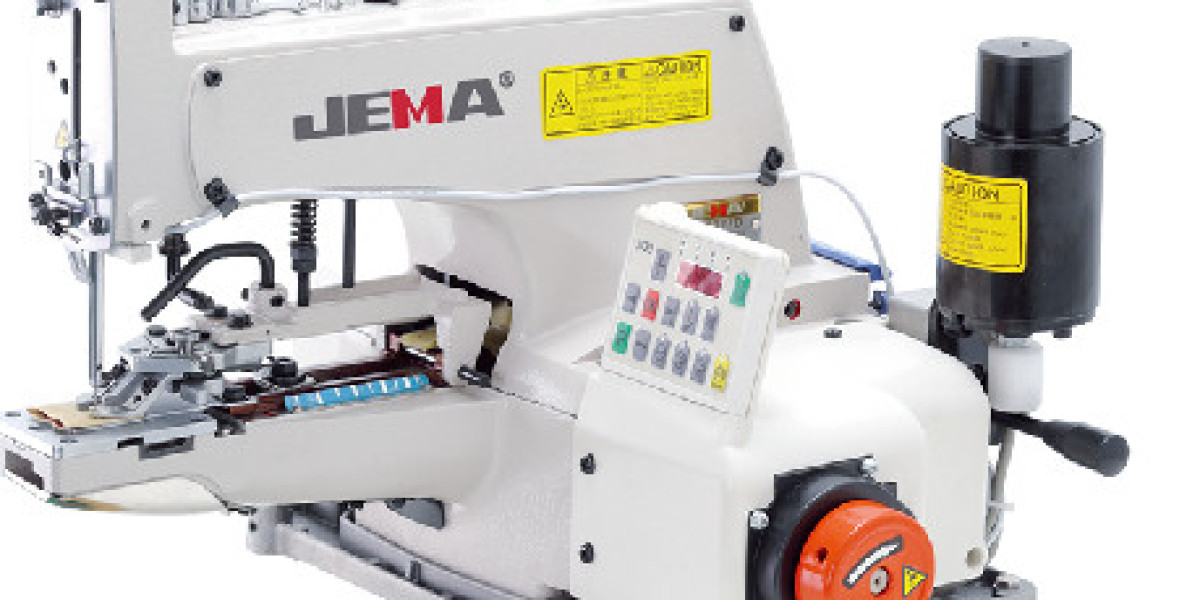
The construction of cutting equipment directly influences its performance in daily production. A stable machine frame helps reduce unnecessary vibration, while properly designed feeding components support continuous material movement. Cutting blades or other cutting mechanisms should be selected according to the material's thickness, elasticity, and construction. Different elastic tapes may require different cutting approaches, especially when manufacturers work with woven, knitted, or braided products. JEMA focuses on industrial machinery solutions for garment accessory processing, making equipment suitability and practical production requirements important considerations when evaluating machinery.
Material positioning is another essential factor. When elastic tape moves through a cutting machine, it should remain aligned with the cutting area to prevent diagonal edges or inconsistent dimensions. Feeding rollers, guides, and positioning structures can help maintain a controlled production path. For manufacturers handling multiple product specifications, adjustable positioning systems are useful because they allow operators to change production settings without replacing the entire machine configuration. This flexibility is particularly valuable for factories producing different types of garment accessories in the same workshop.
Production efficiency depends on more than the speed of the cutting mechanism. Loading materials, adjusting positions, collecting finished pieces, and organizing subsequent operations all affect the overall workflow. A machine that operates quickly but requires frequent manual correction may not provide the expected productivity benefits. Manufacturers should evaluate the complete processing cycle, including material preparation, feeding stability, cutting consistency, and finished-piece handling. A well-organized workflow can reduce unnecessary operator intervention and make production planning more predictable.
Material waste is also an important concern in textile processing. Incorrect cutting positions, uneven feeding, and inconsistent material tension can produce pieces that do not meet manufacturing requirements. These problems may increase the amount of discarded material and create additional inspection work. Proper machine adjustment helps maintain consistent cutting positions and makes it easier to control the dimensions of finished components. Operators should also consider how the machine handles material ends and whether the cutting process allows efficient use of the available material length.
Different industries have different requirements for flexible material processing. Clothing factories may use elastic bands for waistbands, cuffs, shoulder straps, and decorative garment components. Sportswear manufacturers often require consistent pieces for compression garments and performance apparel. Underwear production involves narrow elastic materials that need clean edges and reliable dimensions for sewing operations. Medical and industrial textile manufacturers may also use elastic components in products that require repeatable assembly quality. These varied applications make equipment adaptability an important purchasing consideration.
The operator interface and adjustment process influence the practical usability of a machine. Clear controls, accessible adjustment points, and understandable operating procedures can help production staff become familiar with the equipment. When operators need to change material types or cutting lengths, the adjustment process should be straightforward and repeatable. Training should cover correct material loading, tension control, cutting-area inspection, and routine cleaning. These practices can reduce avoidable operating errors and support more consistent production across different shifts.
Maintenance is equally important for long-term equipment operation. Cutting components gradually experience wear, especially when machinery is used continuously or processes materials with different thicknesses. Regular inspection helps identify blade wear, loose mechanical connections, feeding irregularities, and material buildup. Keeping the feeding path clean can prevent unnecessary friction and improve material movement. Maintenance schedules should reflect actual operating frequency, material characteristics, and the manufacturer's recommendations rather than relying on occasional repairs after production problems appear.
When evaluating machinery, manufacturers should consider the types of elastic materials they process, their expected production volume, required cutting dimensions, and available workshop space. It is also useful to examine whether the equipment can support future product changes. A machine designed for a narrow range of materials may become less practical when a factory expands its product portfolio. Comparing equipment according to real production conditions provides a more reliable basis for investment decisions than focusing on operating speed alone.
As garment supply chains continue to emphasize production consistency and efficient resource use, suitable machinery becomes an important part of factory planning. Reliable elastic cutting equipment can support accurate component preparation, smoother sewing operations, and better coordination between production stages. Manufacturers exploring practical textile processing solutions can learn more about JEMA's industrial machinery and related equipment through https://www.chinajema.com/product/ when assessing options for their manufacturing requirements.