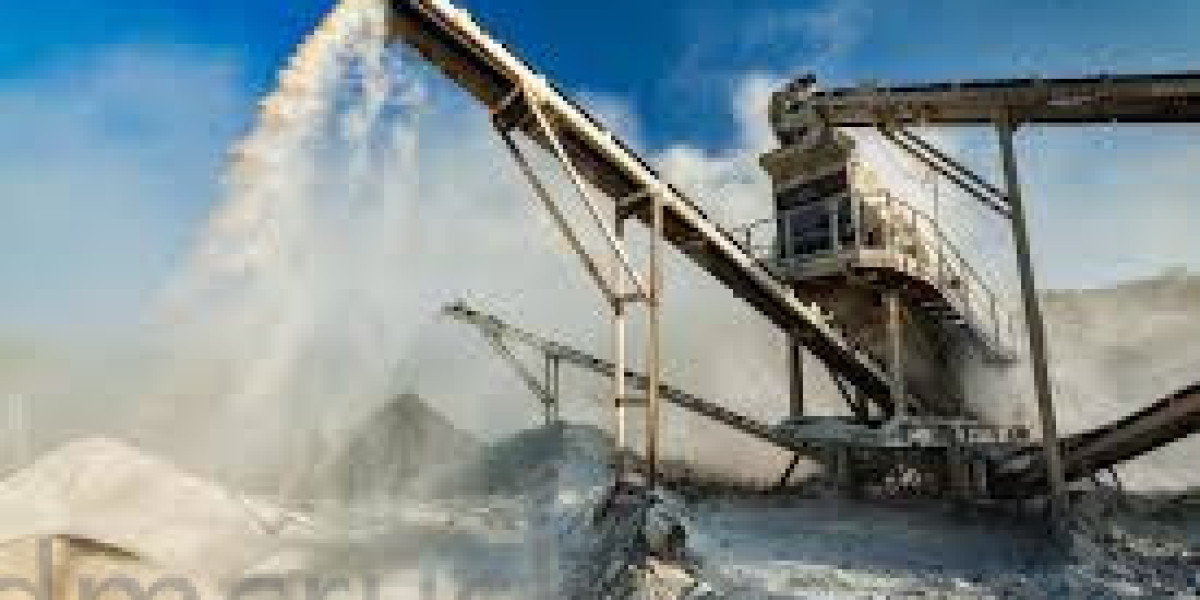

In quarrying, mining, construction, and recycling operations, a Mobile Crusher offers a flexible approach to processing raw materials at different work locations. Instead of relying entirely on a permanent production facility, operators can move suitable equipment closer to extraction areas, demolition sites, or material collection points. This arrangement can simplify project logistics and reduce unnecessary transportation between the source of raw materials and the processing area.
A typical mobile crushing system combines several functional units into one coordinated arrangement. These may include a feeder, crushing chamber, power system, supporting chassis, and discharge conveyor. Depending on the equipment design, screening units and additional conveyors may also be integrated. Each component contributes to the material processing sequence, so the overall layout should support a consistent flow from initial feeding to the discharge of processed aggregates.
The crushing mechanism is one of the most important factors when selecting equipment. Jaw crushers are commonly used for primary reduction because they can handle relatively large pieces of rock through compression. Cone crushers are frequently applied in secondary or tertiary stages, particularly when processing hard and abrasive materials. Impact crushers use repeated impact to break suitable materials and may be selected when product shape is an important consideration. The appropriate configuration depends on the feed material and the required output.
Material characteristics should be evaluated before equipment selection. Granite, basalt, limestone, river stone, and recycled concrete differ in hardness, abrasiveness, moisture content, and particle structure. These differences affect the crushing process and the service life of wear components. For example, highly abrasive materials may require more frequent inspection of crushing liners and other working parts. Materials with higher moisture content may also create challenges during feeding, screening, and conveying.
Feeding consistency has a direct influence on production stability. If raw materials enter the crushing chamber irregularly, the machine may experience sudden changes in operating load. A suitable feeder helps regulate material delivery and reduces interruptions caused by uneven feeding. Operators should also pay attention to oversized pieces, unwanted foreign objects, and excessive soil in the feed. Appropriate material preparation can help protect the crushing chamber and maintain a more predictable processing cycle.
Mobility is particularly useful when the worksite changes over time. In quarry operations, equipment may need to follow the progress of extraction. In road construction and infrastructure projects, processing close to the work area can help reduce the distance between material preparation and actual use. For demolition and recycling projects, on-site crushing may allow suitable concrete and other construction materials to be processed for reuse. The value of mobility therefore depends on the project layout, site access, and transportation requirements.
The chassis and structural design must support both transportation and operating stability. A suitable frame carries the weight of the processing units while accommodating movement between sites. Components such as conveyors, hydraulic systems, and service platforms should be arranged to provide practical access for inspection and maintenance. Before operation, the machine should be positioned on stable ground, with sufficient clearance around feeding and discharge areas. Site preparation is important for safe and orderly production.
Maintenance planning helps protect equipment performance over time. Crushing liners, jaw plates, blow bars, bearings, belts, and hydraulic components are exposed to different forms of mechanical stress. Regular inspection can identify wear, loose connections, abnormal vibration, and other conditions that may lead to equipment interruption. Lubrication should follow the manufacturer's recommendations, while worn parts should be replaced according to their actual condition and the operating requirements. Keeping commonly used replacement components available can also help reduce maintenance delays.
Safety should be considered during transportation, setup, operation, and servicing. Moving components require suitable guards, and emergency stopping devices should remain accessible. Operators need clear procedures for starting and shutting down the equipment, clearing blockages, and carrying out routine checks. Maintenance should only be performed after the machine has been stopped and secured according to the applicable safety procedures. Training and clear communication are especially important when several machines and vehicles operate in the same area.
Environmental management is another part of modern material processing. Dust may develop during feeding, crushing, screening, and material transfer. Water-based suppression systems and suitable enclosure arrangements can help manage airborne particles. Equipment positioning, vehicle routes, and working schedules may also influence noise and disturbance around nearby areas. Considering these factors during site planning can support more responsible operation.
Choosing a Mobile Crusher requires evaluating the complete project rather than focusing only on transportation convenience. Feed material, required product sizes, expected production flow, site conditions, maintenance resources, and future project changes all influence the most suitable configuration. A well-matched system can help organize material processing around changing worksite demands. Businesses comparing different crushing arrangements can review equipment information at https://www.dmcrushers.com/product/stationary-crusher/ when assessing suitable solutions for their production requirements.